Wholesale Makeup Supplier: What Should You Look For?
Choosing a wholesale makeup supplier is not a decision that should be made because a website looks attractive, a catalog is enormous, or a supplier promises “the lowest price.” Those are surface-level selling points. In the beauty business, choosing the wrong supplier can mean inconsistent quality, slow deliveries, outdated products, damaged packaging, unhappy customers, and money trapped in inventory that nobody wants to buy.
The beauty market moves brutally fast. Colors change, formulas evolve, packaging trends shift, and customers constantly look for the next product that will dominate social media. A supplier that cannot keep up will eventually become a liability.
A strong supplier should do far more than sell cosmetics in bulk. It should provide a reliable supply chain, competitive pricing, flexible purchasing options, product variety, quality control, trend awareness, and potentially OEM or ODM services. Whether you operate a beauty store, salon, online shop, social-commerce business, or international distribution company, your supplier directly affects your margins and reputation.
So, what should you actually look for? Start with the fundamentals and ignore the empty promises.
Product Range: Variety Matters, but Relevance Matters More
A serious wholesale supplier should offer a broad selection of products instead of forcing buyers to work with multiple vendors for every category. A diversified catalog can significantly reduce purchasing time, shipping complexity, and supply-chain management costs.
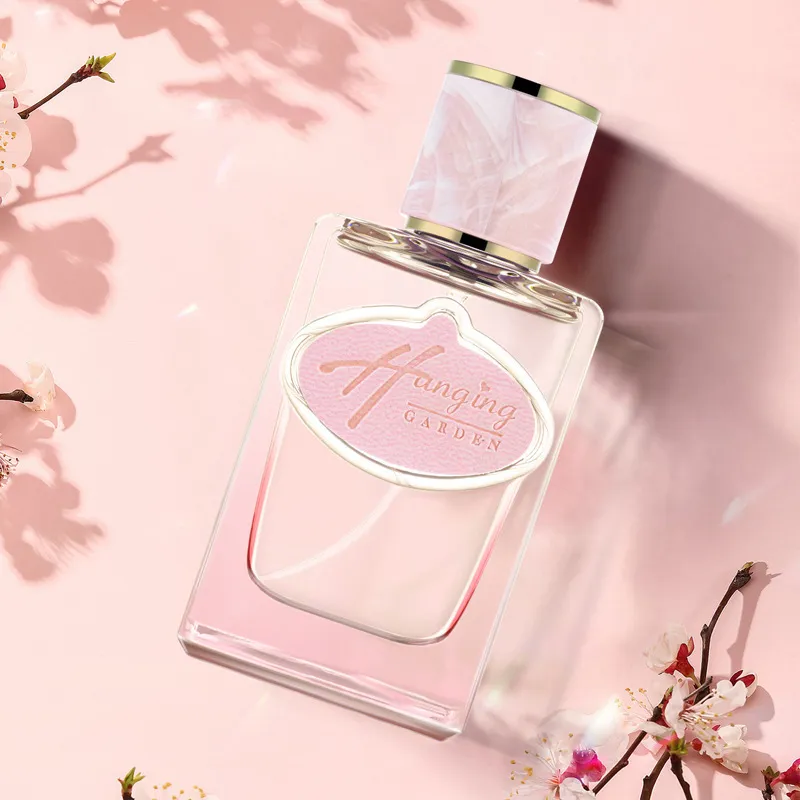
A good supplier may cover makeup, skincare, fragrances, nail products, wigs, hair extensions, beauty tools, personal care products, and packaging. This one-stop model is particularly valuable for retailers that want to build a complete beauty assortment rather than depend on a single product category.
However, sheer product quantity is not enough. A supplier can have thousands of products and still be commercially useless if most of them are outdated, poorly packaged, or irrelevant to current consumer demand.
For makeup retailers, products such as foundation, concealer, eyeshadow, mascara, eyeliner, blush, lipstick, lip gloss, and makeup accessories need to be updated according to market demand. For example, Wholesale Lip Gloss can be particularly attractive when retailers want affordable, easy-to-promote beauty products with multiple shades and finishes.
Fragrance buyers also need flexibility. A supplier offering Mini Fragrances Wholesale can help retailers create travel-size collections, gift sets, impulse-buy displays, and affordable fragrance selections. At the same time, businesses targeting male customers may look for Men's Cologne Wholesale, while retailers focused on women's fragrance collections may require Wholesale Womens Cologne.
Fragrance oils represent another opportunity. Wholesale Fragrance Oil products can serve retailers, beauty businesses, fragrance brands, and companies interested in private-label or customized fragrance lines. The key is not simply having fragrance products available, but having enough variety to build a commercially sensible collection.
The same principle applies to hair products. Retailers may need Bulk Wigs for salons, beauty stores, costume retailers, online sellers, and specialized wig businesses. Businesses serving braiding customers may also require Bulk Human Hair for Braiding, while professional hair extension retailers may depend on Extension Hair Wholesale to maintain consistent inventory.
Beauty accessories should not be ignored either. Makeup bags, storage products, and professional tools can increase average order value and create additional retail opportunities. Bulk Makeup Bags, for example, can be sold separately, bundled with cosmetics, or used as promotional packaging.
The strongest supplier is therefore not the one with the biggest catalog. It is the one with a catalog that makes commercial sense.
Pricing, Quality, and Supply Stability Separate Professionals from Amateurs
Price matters. Anyone who says otherwise is either inexperienced or trying to sell something.
Wholesale buyers need competitive prices because margins determine whether a beauty business survives. Bulk purchasing, direct factory sourcing, supply-chain integration, and long-term cooperation can all help reduce unit costs. But chasing the absolute cheapest supplier is one of the fastest ways to create expensive problems.
Low prices mean very little if the products arrive late, packaging is damaged, quality varies between batches, or customers complain about inconsistent products. The real calculation is not “How cheap is this item?” It is “How much profit can I reliably make after accounting for quality, shipping, returns, defects, and customer satisfaction?”
Reliable Wholesale Beauty Products suppliers should provide clear product specifications, packaging details, ingredient information where applicable, and consistent quality standards. Buyers should be able to understand exactly what they are purchasing before placing a large order.
This is especially important for cosmetics, skincare, fragrance, and personal-care products. Beauty products come into direct contact with customers' skin, hair, nails, or bodies. Quality and safety cannot be treated as optional extras.
Buyers should pay attention to production standards, ingredient information, packaging quality, shelf-life information where relevant, batch consistency, labeling, and documentation. A supplier that avoids basic product questions should immediately raise a red flag.
The same scrutiny should be applied to hair products. Buyers purchasing Bulk Wigs, Bulk Human Hair for Braiding, or Extension Hair Wholesale should evaluate texture consistency, construction, length accuracy, color availability, shedding, tangling, packaging, and overall product performance.
Beauty tools deserve equal attention. Retailers purchasing Wholesale Haircare Tools need products that are functional, durable, properly packaged, and suitable for their target customers. A cheap tool that breaks after a few uses may generate negative reviews that cost far more than the original purchase price.
Packaging is another critical issue. A beautiful product with poor packaging can look cheap on the retail shelf. Cracked cosmetic containers, leaking fragrance bottles, damaged boxes, or weak shipping protection can quickly destroy a buyer's profit.
Businesses should also investigate whether a supplier can provide products in different packaging formats, sizes, colors, specifications, and quantities. Flexibility becomes increasingly important as a retailer's product line grows.
Most importantly, do not trust claims without testing. Before committing to a large order, request samples whenever possible. Test the actual products, inspect the packaging, evaluate consistency, and compare the supplier's claims with reality.
A professional supplier should welcome reasonable quality checks. A supplier that becomes defensive when a buyer asks for basic information is not demonstrating confidence—it is demonstrating risk.
Trend Speed, Flexible Purchasing, and Customization Drive Growth
The beauty industry does not wait.
A product can be extremely popular today and almost invisible six months later. Retailers therefore need suppliers that monitor global beauty trends and respond quickly to changes in consumer demand.
Current beauty trends can influence everything from makeup colors and fragrance profiles to nail designs, wig styles, hair textures, packaging aesthetics, and beauty accessories. Suppliers that continuously refresh their catalogs give retailers a much better chance of staying relevant.
This is where product flexibility becomes a serious competitive advantage.
Not every buyer needs a container-load shipment. Small beauty businesses, new online stores, independent salons, and social-commerce sellers may prefer smaller wholesale quantities. Larger distributors may require significantly higher volumes and long-term supply agreements.
A capable supplier should be able to support different purchasing models, including small-batch wholesale, large-volume orders, recurring purchasing, and long-term cooperation.
This flexibility reduces inventory pressure. A new retailer should not have to gamble a huge amount of capital on an untested product. Starting with a smaller order allows the business to evaluate customer response before scaling up.
On the other hand, successful products require reliable replenishment. If a retailer discovers a best-selling lipstick, wig, fragrance, or beauty tool but cannot reorder it consistently, the supplier becomes a bottleneck.
Customization is another major advantage. Some businesses do not want to resell generic products forever. They want their own brand.
That is where OEM and ODM opportunities become important. Depending on the supplier's capabilities, businesses may be able to customize product formulas, colors, packaging, labels, logos, specifications, or complete product lines.
Private-label opportunities can be particularly attractive in cosmetics, skincare, fragrance, haircare, and beauty accessories. A retailer can move from simply selling products from someone else's catalog to building a recognizable brand with its own identity.
For example, a business could combine customized packaging with Wholesale Cosmetic Jars Suppliers to develop a private-label skincare collection. Similarly, fragrance businesses may explore customized bottles, labels, and fragrance profiles while purchasing Wholesale Fragrance Oil as part of their supply strategy.
Customization is not automatically better, however. Buyers should ask about minimum order quantities, sample development, production lead times, packaging requirements, mold or tooling costs, labeling requirements, and quality-control procedures.
A supplier that promises “full customization” without explaining these details is selling a fantasy, not a supply solution.
The best supplier relationship is built on clarity. Buyers should know what can be customized, how much it costs, how long it takes, and what quality standards will be maintained.
International Capability and One-Stop Supply Can Become a Major Advantage
For businesses selling internationally, domestic purchasing is only one part of the equation. International wholesale requires stronger coordination between products, packaging, documentation, logistics, and delivery.
A capable international supplier should understand that shipping beauty products across borders involves more than putting cartons on a truck. Different countries and markets can have different labeling expectations, product requirements, customs procedures, and transportation considerations.
This makes communication extremely important.
Buyers should evaluate whether the supplier responds quickly, provides accurate quotations, confirms product specifications, communicates production schedules clearly, and gives realistic shipping expectations. A supplier that takes days to answer a simple question can create serious operational problems when an urgent order is involved.
International wholesale buyers should also examine packaging for transportation. Fragrance bottles, cosmetic containers, beauty tools, and other products need suitable protection during long-distance shipping. Poor packaging can turn an otherwise profitable order into a warehouse full of damaged inventory.
A one-stop beauty supply model can offer another major advantage. Instead of purchasing makeup from one supplier, wigs from another, hair extensions from a third, and beauty tools from a fourth, buyers can potentially consolidate multiple categories through one supply-chain partner.
Imagine sourcing Wholesale Beauty Products, Mini Fragrances Wholesale, Men's Cologne Wholesale, Wholesale Womens Cologne, Wholesale Lip Gloss, Bulk Wigs, Bulk Human Hair for Braiding, Extension Hair Wholesale, Wholesale Haircare Tools, and Bulk Makeup Bags through a coordinated purchasing relationship.
The potential benefits are obvious: fewer supplier relationships, simpler purchasing, potentially lower logistics costs, easier inventory management, and more consistent communication.
But consolidation should never mean lowering standards. A supplier offering many categories still needs to prove that each category meets your requirements.
Ultimately, choosing a wholesale makeup supplier is a business decision, not a shopping decision. Look beyond attractive product photos and aggressive discounts. Examine product variety, pricing, quality, trend updates, purchasing flexibility, customization options, packaging, communication, logistics, and long-term supply stability.
The right supplier should help your business move faster, reduce unnecessary costs, expand its product range, and respond to customers before competitors do.
The wrong supplier will do the opposite.
In a market where beauty trends can change overnight, retailers cannot afford suppliers that move at yesterday's speed. They need partners capable of delivering the right products, at the right quality, at commercially viable prices, with enough flexibility to support both today's orders and tomorrow's growth.
That is the real standard.
A supplier should not simply help you buy more products. It should help you build a stronger business.


评论
发表评论