Best-Selling Wholesale Baby Clothing Products for Online Stores
The children’s apparel market is not a short-lived trend. It is a repeat-purchase business driven by growth, changing seasons, family occasions, and parents’ constant demand for better comfort, safety, and style. For online retailers, that makes children’s fashion one of the more dependable categories to build around—provided the product strategy is sharp and the supply chain can keep up.
Retailers buying Wholesale Childrens Wear are no longer looking for endless catalogs filled with generic basics. They want products that sell quickly, photograph well, fit current consumer expectations, and leave enough margin after shipping, advertising, platform fees, and returns. The winning strategy is simple: stock products with proven demand, build coordinated collections, and work with suppliers capable of flexible customization.
Baby clothing deserves particular attention. Babies grow rapidly, meaning parents regularly replace clothing even when existing pieces remain in good condition. Seasonal changes create another purchase cycle, while birthdays, holidays, baby showers, and family photography create additional opportunities. For an online store, these repeated buying occasions can translate into strong customer lifetime value.
But demand alone is not enough. Retailers must choose products carefully. Soft fabrics, practical construction, attractive designs, safe materials, and reliable sizing can determine whether a product becomes a bestseller or sits untouched in inventory.
1. High-Demand Baby Clothing Categories That Online Stores Should Stock
Baby bodysuits remain one of the strongest foundations for an online baby clothing assortment. They are practical, easy to wear, and suitable for everyday use. Parents typically want breathable fabrics, soft seams, convenient closures, and designs that survive frequent washing. Suppliers offering Wholesale Kids Rompers can give retailers access to another highly versatile category, especially when rompers combine comfort with fashionable prints and seasonal styling.
Baby sets are equally attractive because they simplify purchasing. A coordinated top-and-bottom combination feels more valuable than a single basic item and can be marketed as an outfit rather than an individual garment. Retailers can use neutral colors for everyday collections while adding seasonal colors, playful prints, and themed designs to create stronger visual merchandising.
Baby sleepwear is another category worth prioritizing. Parents pay close attention to softness and comfort when buying sleep products, making fabric quality particularly important. Lightweight sleepwear works well for warmer climates, while layered designs and warmer materials can target colder seasons. The key is not to chase the lowest production price. Cheap materials can quickly become expensive when they generate complaints, returns, or poor reviews.
For retailers expanding beyond basic baby clothing, Bulk Kids Outfit Sets offer an efficient way to create complete collections. Matching sets can include shirts, pants, leggings, skirts, or coordinated accessories. They are particularly useful for online stores because product photography becomes easier when the entire look is already assembled.
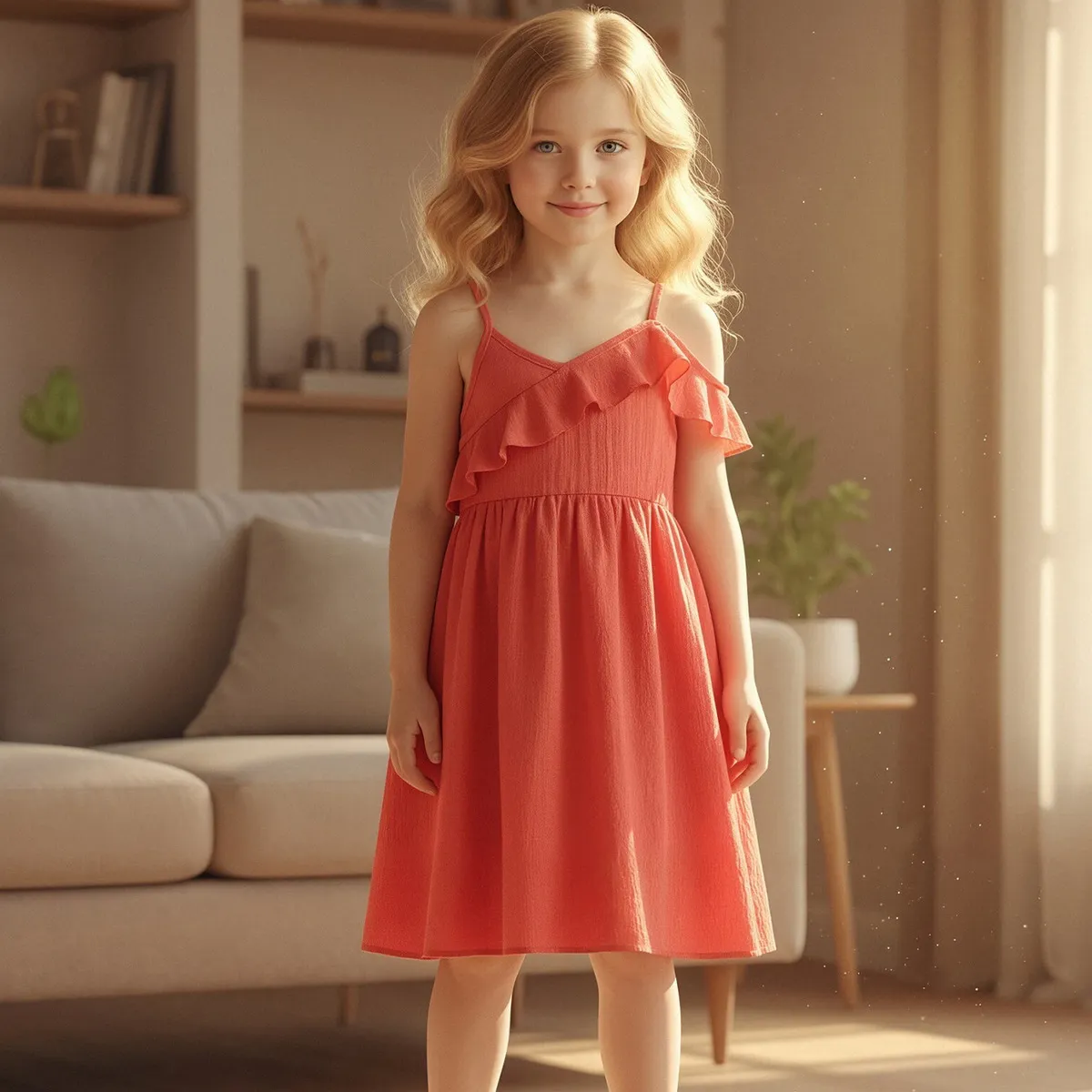
Girls’ fashion provides another strong opportunity. Bulk Girls Dresses can cover everyday dresses, party styles, holiday outfits, floral designs, minimalist dresses, and special-occasion pieces. Dresses are visually powerful products for ecommerce because a well-designed garment can communicate its value immediately through photography.
Boys’ collections should not be treated as an afterthought. T-shirts, shirts, jeans, jackets, and sportswear provide reliable everyday demand. Streetwear-inspired silhouettes, graphic prints, athletic designs, and coordinated casual sets can give boys’ collections a stronger identity.
Seasonal products should also be planned rather than added at the last minute. Winter coats, rain jackets, summer wear, holiday outfits, and transitional layers can generate significant sales when inventory arrives ahead of demand. Online retailers should use previous sales data to determine which sizes, colors, and styles deserve deeper stock.
The smartest approach is to build a balanced assortment: core products generate consistent sales, while trend-driven pieces create excitement and higher margins.
2. Why Comfort, Safety, and Product Quality Directly Affect Sales
Parents do not shop for children’s clothing in the same way they shop for many adult fashion products. Appearance matters, but it is only one part of the buying decision. Comfort, durability, ease of care, and perceived safety can determine whether a customer clicks “buy,” leaves a positive review, or returns for another purchase.
Cotton remains popular because of its familiar softness and versatility. Organic cotton can appeal to customers seeking more environmentally conscious options, while bamboo-based fabrics and soft jersey materials may be attractive for lightweight baby products. Regardless of the material, suppliers should provide accurate fabric information and maintain consistent production standards.
Construction quality matters just as much. Retailers should pay attention to stitching, closures, buttons, zippers, seams, prints, and embellishments. Baby garments require especially careful attention to details that could create discomfort or safety concerns. Quality control should therefore happen before products reach the warehouse—not after customers start reporting problems.
Durability is another selling point. Parents wash children’s clothing frequently, so garments that lose shape, fade rapidly, or develop damaged seams are unlikely to generate repeat business. A slightly higher-quality product with a longer usable life can create more value for both the customer and the retailer.
Sizing must also be handled seriously. Inconsistent measurements are one of the fastest ways to increase ecommerce returns. A professional wholesale supplier should provide clear size charts and maintain consistency between production batches. Retailers can then create accurate product listings and reduce unnecessary customer dissatisfaction.
Children’s fashion is also becoming more design-conscious. Parents increasingly seek clothing that looks distinctive without sacrificing practicality. Current trends include matching family outfits, cartoon-inspired styles, minimalist kidswear, vintage aesthetics, streetwear, and sustainable fashion.
That creates an opportunity for retailers to move beyond generic basics. A simple T-shirt may compete against hundreds of similar products. A thoughtfully designed set with a recognizable visual identity has a much better chance of standing out.
Retailers can also increase basket size through complementary products. Wholesale Kids Decor can support stores that want to expand into children’s lifestyle merchandise, while Bulk Kids Bags can complement apparel collections with practical school, travel, or everyday options.
The objective is not to sell everything. It is to create a product ecosystem in which individual items naturally support one another.
3. Shoes, Bags, Accessories, and OEM/ODM Can Expand the Business
Children’s apparel retailers should not limit themselves to clothing when customers are already shopping for complete looks. Shoes, hats, socks, bags, and accessories can turn a basic apparel order into a larger purchase.
Kids’ sneakers are particularly useful for everyday collections. Lightweight construction, comfortable interiors, practical closures, and non-slip designs are key purchasing considerations. Sandals work well for warm-weather collections, while boots and school shoes provide opportunities for seasonal and back-to-school sales.
Hats are another low-complexity accessory category. Sun hats can complement summer clothing, while winter hats can be bundled with coats and cold-weather outfits. Hair accessories, socks, backpacks, and small bags can also be used as add-on products at checkout.
Wholesale Bookbags are especially relevant for retailers targeting school-age children. A retailer can create a back-to-school collection that combines clothing, shoes, bookbags, socks, and accessories rather than promoting each category separately.
The same strategy applies to related children’s merchandise. Wholesale Toys for Kids can be positioned alongside clothing for birthday, holiday, or gift-oriented collections. The goal is to increase the average order value while giving customers a more convenient shopping experience.
For emerging brands, OEM and ODM services offer an even bigger advantage. Instead of competing solely on products available to every retailer, brands can develop exclusive designs and establish their own identity.
Customization can include logo placement, private labels, packaging, fabric selection, colors, prints, embroidery, appliqué, and garment construction. Cartoon prints, animal graphics, educational patterns, seasonal themes, and original illustrations can help create recognizable collections.
Low-MOQ production is particularly valuable for new ecommerce businesses. New brands rarely have enough sales data to justify enormous inventory commitments. Ordering smaller quantities allows them to test designs, collect customer feedback, identify winning sizes and colors, and reorder successful products.
This reduces inventory risk without forcing brands to rely entirely on generic wholesale products.
A capable supplier can also provide sample development before mass production. This gives retailers an opportunity to evaluate fabric, fit, construction, color, printing, packaging, and overall appearance. The sample stage should be treated as a business checkpoint, not a formality.
The strongest OEM/ODM partnerships go beyond manufacturing. They connect product development with trend research, sourcing, quality control, packaging, and logistics. For an online brand, that means fewer fragmented suppliers and a more manageable procurement process.
A complete supply chain can follow a straightforward path:
Trend Research → Product Design → Fabric Sourcing → Sample Development → Manufacturing → Quality Control → Packaging → Global Shipping
That structure gives retailers greater control over both product quality and brand positioning.
4. Build a Profitable Wholesale Strategy Instead of Chasing Cheap Inventory
The biggest mistake in children’s fashion wholesale is focusing exclusively on unit price. A product that costs less to purchase is not automatically more profitable. If it has weak demand, poor quality, high return rates, or expensive storage costs, the apparent savings disappear quickly.
Profitability begins with product selection.
Basic T-shirts and ordinary pants can generate stable traffic, but they are often highly competitive. Higher-value products can create stronger margins and differentiation. These may include designer-inspired kidswear, coordinated family outfits, holiday collections, functional outerwear, premium baby sets, and distinctive occasion dresses.
Retailers should also build collections instead of isolated products. For example, a summer collection might combine baby rompers, girls’ dresses, boys’ T-shirts, sandals, sun hats, socks, and lightweight bags. A winter collection could combine coats, sweaters, trousers, boots, hats, and accessories.
This approach gives customers more reasons to purchase multiple items in one session.
Inventory planning should be equally disciplined. Retailers need to identify core products that deserve continuous stock and trend products that should be ordered in controlled quantities. Sales data should determine reorders rather than personal assumptions.
The best wholesale suppliers can support this process through flexible production, low minimum order quantities, sample development, consistent quality control, and reliable delivery schedules. They should also be able to respond when a particular design suddenly becomes popular.
For online stores, product presentation matters almost as much as product quality. Clear photography, accurate measurements, fabric descriptions, lifestyle images, and detailed product information help customers make confident purchasing decisions. A strong product may fail online if its listing does not communicate its value.
Retailers should also think beyond one-time transactions. Parents who are satisfied with fit, comfort, quality, and delivery are potential repeat customers. A well-planned children’s collection can therefore become a long-term revenue engine rather than a seasonal experiment.
The opportunity in children’s wholesale is clear: demand is stable, purchasing cycles are frequent, and the category offers enormous room for product expansion. But success will not come from filling a website with hundreds of random products. It comes from selecting proven categories, maintaining quality, responding quickly to trends, and building a supply chain that can support growth.
Wholesale Childrens Wear should therefore be approached as a complete business system. Baby bodysuits and rompers can generate dependable everyday sales. Coordinated sets and dresses can increase perceived value. Shoes, bags, hats, and accessories can raise average order value. Custom OEM/ODM collections can create brand differentiation. And complementary categories such as Wholesale Kids Decor, Bulk Kids Bags, Wholesale Bookbags, and Wholesale Toys for Kids can turn a clothing store into a broader children’s lifestyle destination.
For online retailers, the winning formula is not complicated: choose products parents actually need, make quality non-negotiable, use customization to escape commodity competition, and build collections that encourage customers to buy more than one item.
In a crowded ecommerce market, cheap products are everywhere. Better products, smarter collections, dependable quality, and a supply chain built for repeat business are what create lasting profit.


评论
发表评论