What is The Best Brand of Bulk Jeans Available?
The denim market does not reward hesitation. It rewards scale, consistency, and the ability to deliver styles that move fast across global shelves. In this landscape, “best brand” is not a single name—it is the supply power behind the product. The real leaders are manufacturers and wholesale systems that control quality, speed, and variety at the source. That is exactly where Bulk Jeans define their dominance: not as a trend, but as a supply standard that drives the entire fashion chain forward.
Market Control Is Built on Volume and Precision
The global denim industry is not driven by boutique storytelling. It is driven by volume pipelines, repeatable quality, and pricing control. Buyers who understand this space look for stability first and branding second. That is why Wholesale Clothing Jeans has become the backbone keyword of modern apparel sourcing strategies. It represents an entire ecosystem where production capacity and market demand meet without friction.
Strong suppliers do not wait for trends—they anticipate them. They release cuts, washes, and silhouettes before retail demand peaks. In this system, success belongs to factories and distributors who can move fast while maintaining consistency across thousands of units. This is the foundation that separates average suppliers from industry leaders.
Within this structure, denim is no longer just fabric. It becomes a scalable product architecture. Waist rise variations, stretch ratios, stitching durability, and wash chemistry are engineered for mass reproducibility. The market does not forgive inconsistency, especially when retailers depend on fast turnover cycles. The brands that survive are those that treat denim as industrial design, not seasonal fashion.
Fabric Engineering and Style Diversity Define Real Value
The strength of denim lies in its structure. High-density cotton blends, elastane integration, enzyme washing systems, and abrasion finishing techniques all determine how a pair of jeans performs in real life. The most competitive suppliers focus on these technical elements with precision.
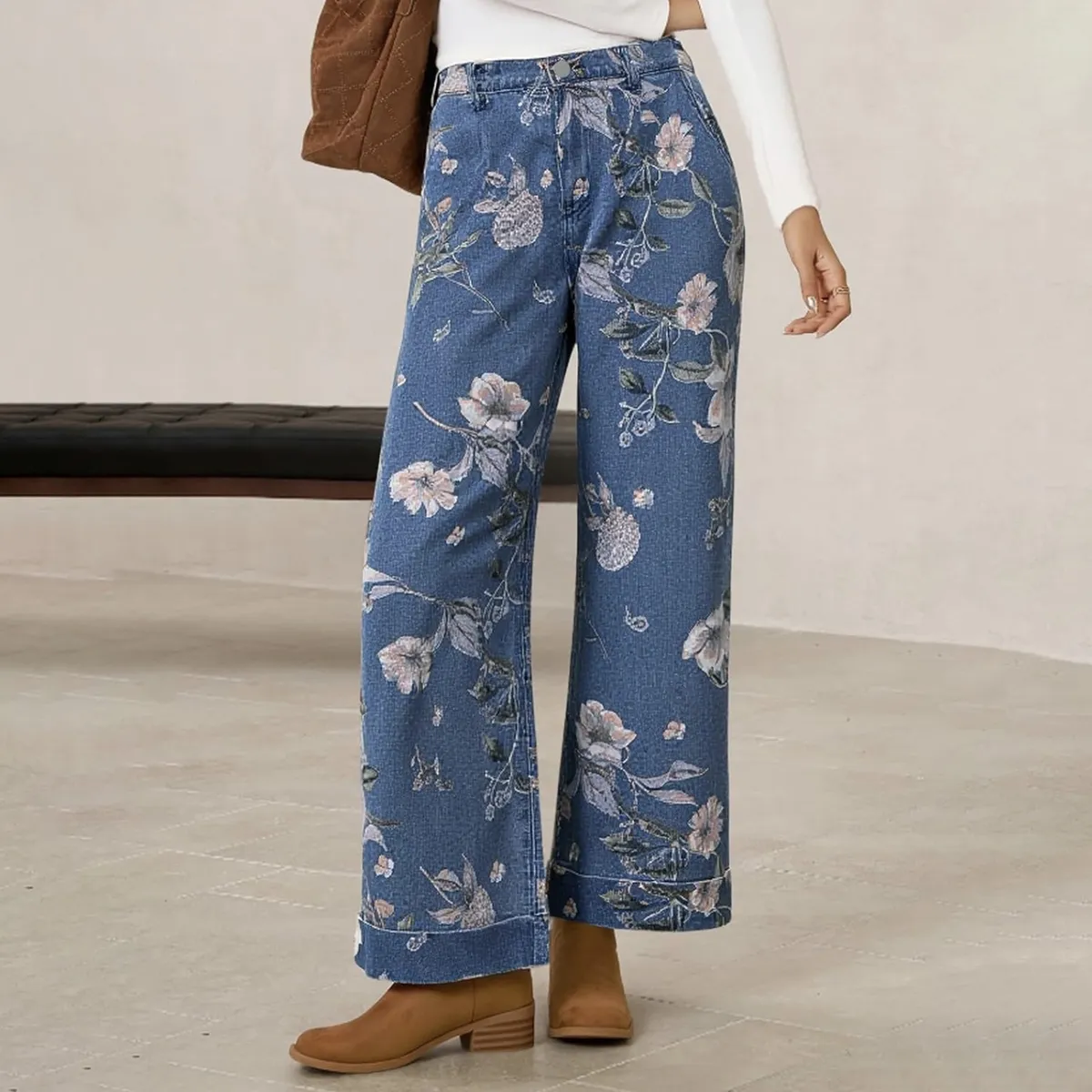
In women’s fashion segments, demand is particularly aggressive. Retailers rely heavily on Wholesale Womens Jeans because female denim drives trend cycles faster than any other category. High-rise skinny fits, relaxed straight cuts, wide-leg silhouettes, and vintage-inspired washes dominate seasonal demand. A supplier that cannot consistently deliver variation quickly loses relevance.
Beyond styling, durability defines brand trust. A pair of jeans must maintain shape after repeated washing, resist color fading, and preserve stitching integrity. That is why serious manufacturers invest heavily in fabric testing, shrink control, and tension reinforcement at stress points such as knees and waistbands.
Design innovation also plays a decisive role. Distressing effects, acid washes, stone washes, raw hems, and vintage fades are not decorative—they are engineered outcomes. Every finish communicates a different market identity, from streetwear aggression to minimalist clean aesthetics. In competitive wholesale environments, these details decide whether a product sells out or sits in storage.
Category Expansion Across Men, Women, Kids, and Jackets
No denim supplier survives on a single category anymore. Market power is built through expansion and diversification. Men’s denim remains a foundational pillar, and Wholesale Jeans Mens represents one of the most stable demand channels in global apparel distribution. Straight fits, tapered cuts, cargo denim, and relaxed silhouettes dominate this segment, reflecting a shift toward comfort-driven masculinity in fashion.
Children’s denim, however, is equally critical. Parents prioritize durability and comfort above aesthetics, but modern retail expectations still demand style. That is why Wholesale Children Jeans has become a fast-growing segment for distributors who understand sizing precision, safety stitching, and flexible waist adjustments. The ability to produce soft, stretchable, and resistant denim for children creates long-term retail partnerships.
Outerwear is another expansion frontier. Denim jackets are no longer seasonal items—they are year-round fashion statements. Leading Denim Jacket Manufacturers focus on oversized cuts, cropped silhouettes, fleece-lined winter versions, and embroidered streetwear editions. Jackets extend brand visibility because they are highly visible layering pieces, often worn as statement items.
Shorts also dominate warm-season demand. As global climates shift toward casual summer styling, Denim Shorts Supplier networks have become essential for retailers seeking fast-moving inventory. Distressed cuts, raw hems, high-waist designs, and relaxed fits define this category, especially in youth and streetwear markets. Shorts allow suppliers to utilize leftover fabric efficiently, increasing production sustainability while maintaining profit margins.
This category diversification is not optional—it is structural survival. Suppliers who limit themselves to a single product type inevitably lose relevance in global sourcing networks.
Manufacturing Power, Customization, and Wholesale Advantage
The real advantage in denim is not design alone—it is control over production. Modern buyers no longer ask what is available; they ask what can be customized at scale. This is where Custom Made jeans becomes a decisive business model rather than a niche service.
Customization includes fabric weight selection, stretch percentage adjustment, embroidery placement, branding labels, button and rivet selection, packaging design, and even wash intensity calibration. This level of control allows brands to build unique identities without owning manufacturing infrastructure. It transforms suppliers into strategic partners rather than simple vendors.
Factories that specialize in OEM and ODM production dominate this space because they can replicate design concepts while adjusting technical specifications for different markets. European buyers often prefer slim tailored fits with minimal wash effects, while North American markets lean toward relaxed, rugged styles. Asian markets often demand trend-heavy silhouettes with bold detailing. A strong supplier adapts instantly across these regions without compromising production efficiency.
Speed is equally critical. Fashion cycles are no longer seasonal—they are continuous. A supplier that cannot respond quickly to trend shifts loses market share within weeks. That is why leading manufacturers maintain ready-to-produce fabric inventories and modular design templates.
Quality control remains non-negotiable. Every batch must pass inspection for color consistency, stitching strength, and dimensional accuracy. Even minor deviations can damage retailer trust. This is why industrial denim production is built on standardized inspection systems rather than subjective evaluation.
The wholesale advantage is ultimately defined by three forces: cost efficiency, production scalability, and design flexibility. Suppliers who master these forces dominate global distribution channels. Those who fail to balance them disappear quietly from the supply chain.
The denim industry is not sentimental. It rewards systems, not slogans. The brands and suppliers that lead today are those who treat denim as infrastructure—engineered, repeatable, and globally adaptable. Whether it is Bulk Jeans, seasonal shorts, structured jackets, or fully customized denim lines, success belongs to those who can execute without hesitation and scale without compromise.


评论
发表评论