Sustainable Practices in Custom Clothing Private Label Manufacturing
The fashion industry is at a crossroads. Consumers are demanding more from the brands they support—they want products that look good, fit well, and don't destroy the planet. For private label clothing manufacturers and brand entrepreneurs, sustainability isn't just a buzzword anymore—it's a business imperative. Customization service that prioritizes sustainability can differentiate your brand, attract conscious consumers, and future-proof your business.
The private label model offers unique opportunities for sustainable innovation. Unlike mass-produced fashion, custom clothing allows for more intentional production practices, smaller batch sizes, and closer relationships with suppliers. Brands that embrace sustainable practices in their private label manufacturing will not only reduce their environmental impact but also build stronger connections with customers who value transparency and responsibility.
Sustainable Materials: The Foundation of Eco-Conscious Private Label
The choices you make about materials define the sustainability profile of your custom clothing line. Sustainable materials reduce environmental impact from extraction through disposal, creating a more circular fashion economy.
Choosing Eco-Friendly Fabrics
The fashion industry is responsible for significant environmental damage through water pollution, carbon emissions, and waste. By selecting sustainable fabrics, you can mitigate these impacts:
Organic cotton: Grown without toxic pesticides and synthetic fertilizers, organic cotton uses 91% less water than conventional cotton according to some studies.
Linen: Made from flax plants that require minimal water and pesticides, linen is biodegradable and gets softer with each wash.
Tencel/Lyocell: Produced from sustainably harvested wood pulp using a closed-loop process that recycles 95% of solvents.
Recycled polyester: Made from plastic bottles and other post-consumer waste, recycled polyester reduces reliance on petroleum-based materials.
Hemp: A fast-growing crop that requires no pesticides and sequesters carbon from the atmosphere.
Material Innovation and Technology
New technologies are emerging that make sustainable materials even more viable for private label manufacturing:
Mycelium leather: Made from mushroom roots, this vegan leather alternative is biodegradable and requires minimal resources to produce.
Piñatex: Created from pineapple leaf fibers, this material offers a sustainable alternative to leather for accessories and apparel.
Bio-based fabrics: Researchers are developing fabrics from algae, seaweed, and even recycled food waste.
For custom plus size clothing, sustainable materials offer additional benefits—many eco-friendly fabrics are naturally breathable and stretchy, making them ideal for comfortable, well-fitting garments that celebrate diverse body types.
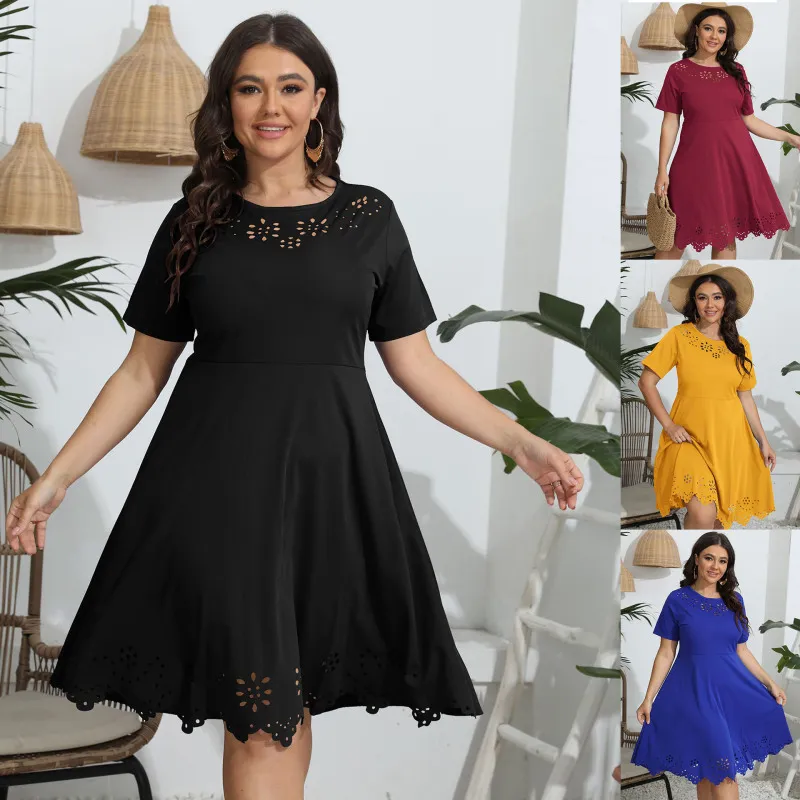
Case Study: Sustainable Materials in Action
Consider how custom dresses can benefit from sustainable materials. A cocktail dress made from organic silk or recycled polyester not only reduces environmental impact but also appeals to consumers who want to look elegant while supporting ethical fashion. When customers know their dress was made with sustainable practices, they feel good about their purchase and become more loyal to your brand.
Green Production Processes: Reducing Environmental Footprint
Sustainable manufacturing goes beyond material selection. Every step of the production process offers opportunities to reduce waste, conserve resources, and minimize emissions.
Water Conservation Strategies
Textile production is notoriously water-intensive. Implement these strategies to reduce your water footprint:
Water recycling systems: Install closed-loop systems that treat and reuse water for dyeing and washing processes.
Low-water dyeing techniques: Use digital printing and dye sublimation that require significantly less water than traditional methods.
Natural dyeing: Explore plant-based dyes that are less toxic and require less water for rinsing.
For products like custom swimwear, water conservation is especially important. Swimwear production often involves complex dyeing processes, so implementing water-saving technologies can make a significant difference in your environmental impact.
Energy Efficiency and Carbon Reduction
Manufacturing facilities consume significant energy. Reduce your carbon footprint by:
Renewable energy: Switch to solar, wind, or hydropower for manufacturing operations.
Energy-efficient equipment: Invest in modern machinery that uses less energy per unit of production.
Carbon offset programs: Participate in verified carbon offset projects to neutralize unavoidable emissions.
Waste Reduction and Circular Practices
The fashion industry generates massive amounts of textile waste. Implement circular practices to minimize waste:
Zero-waste pattern cutting: Design patterns that use nearly 100% of fabric, with minimal offcuts.
Upcycling programs: Turn production scraps into smaller products or donate them for creative reuse.
Take-back programs: Offer customers incentives to return old garments for recycling or upcycling.
Sustainable Packaging: The Final Piece of the Puzzle
Packaging is often overlooked but critical for sustainable fashion. From shipping boxes to garment bags, every packaging choice impacts your environmental footprint.
Eco-Friendly Packaging Materials
Replace traditional packaging with sustainable alternatives:
Recycled cardboard: Use boxes made from post-consumer recycled paper.
Biodegradable plastics: Use plant-based plastics that break down naturally in compost.
Reusable packaging: Offer customers the option to return packaging for reuse or recycling.
Minimalist design: Reduce packaging layers and avoid unnecessary plastic inserts.
For delicate items like custom lingerie, sustainable packaging is particularly important. Customers appreciate receiving intimate apparel in eco-friendly materials that reflect the brand's commitment to sustainability.
Sustainable Shipping Practices
Shipping contributes to your carbon footprint. Reduce emissions by:
Carbon-neutral shipping: Partner with carriers that offer carbon offset programs.
Consolidated shipping: Combine orders to minimize the number of packages shipped.
Local sourcing: Work with suppliers closer to your target markets to reduce transportation distances.
Building a Sustainable Private Label Brand: Beyond Production
Sustainability should be integrated into every aspect of your private label brand, from product design to customer engagement.
Transparency and Communication
Modern consumers demand transparency. Share your sustainability journey with customers:
Supply chain transparency: Document and share information about your suppliers and production processes.
Impact reporting: Publish annual sustainability reports that measure and communicate your environmental impact.
Storytelling: Share the stories behind your sustainable practices through blog posts, social media, and product descriptions.
Certifications and Standards
Third-party certifications validate your sustainability claims and build trust with consumers:
GOTS (Global Organic Textile Standard): Certifies organic materials and sustainable manufacturing practices.
Fair Trade: Ensures workers receive fair wages and safe working conditions.
B Corp: Certifies companies that meet high standards of social and environmental responsibility.
Product Lifecycle Considerations
Design products with longevity and recyclability in mind:
Durable construction: Use high-quality materials and construction techniques that extend product lifespan.
Repairability: Design garments that are easy to repair, with replaceable parts when possible.
Recyclability: Choose materials that can be easily recycled or composted at the end of their life.
For activewear like custom sportswear, durability is key. Customers expect sportswear to withstand rigorous use, so using high-quality sustainable materials ensures both environmental responsibility and customer satisfaction.
Overcoming Challenges in Sustainable Private Label Manufacturing
While the benefits are clear, implementing sustainable practices presents challenges that require strategic solutions.
Cost Considerations
Sustainable materials and processes often cost more initially. Address this by:
Long-term planning: Sustainable practices often reduce costs over time through waste reduction and efficiency gains.
Premium pricing: Consumers are willing to pay more for sustainable products—position your brand accordingly.
Gradual implementation: Start with one or two sustainable initiatives and expand as your business grows.
Supply Chain Complexity
Finding reliable sustainable suppliers can be challenging. Build strong relationships with suppliers who share your values:
Supplier audits: Regularly assess suppliers' sustainability practices.
Collaboration: Work with suppliers to improve their environmental performance.
Diversification: Maintain relationships with multiple sustainable suppliers to ensure continuity.
Consumer Education
Many consumers don't understand the environmental impact of fashion. Educate your audience through:
Content marketing: Create blog posts, videos, and social media content about sustainable fashion.
Clear labeling: Use simple, understandable labels that communicate sustainability benefits.
Community engagement: Host events and workshops about sustainable fashion practices.
Expanding Your Sustainable Product Line Strategically
Once you've established sustainable practices in your core products, expand into complementary categories that maintain your eco-friendly commitments.
Diversifying Product Offerings
Consider adding sustainable versions of these popular categories:
Custom women's sets: Coordinated outfits made from organic cotton and recycled materials that offer style and sustainability.
Customized socks: Everyday essentials produced from recycled cotton blends that reduce textile waste.
Custom jeans: Denim made with water-saving techniques and organic cotton, combining classic style with eco-conscious production.
Building a Sustainable Ecosystem
Create a holistic approach to sustainability by:
Partnering with other sustainable brands for cross-promotion
Supporting environmental initiatives through charitable giving
Encouraging customers to participate in sustainability efforts through rewards programs
The Future of Sustainable Private Label Fashion
The fashion industry is undergoing a transformation, and sustainable practices are no longer optional—they're essential for long-term success. Private label brands that embrace sustainability have a unique opportunity to lead this transformation.
By prioritizing sustainable materials, green production processes, and eco-friendly packaging, you can build a brand that attracts conscious consumers, reduces environmental impact, and creates long-term value. The choices you make today will define your brand's legacy and position you for success in a rapidly changing industry.
The future of fashion is sustainable. Start building your sustainable private label brand today and be part of the solution.


评论
发表评论