B2B Marketing Strategies for Wholesale Shoe Suppliers
In the competitive world of wholesale footwear, effective marketing is essential for suppliers looking to expand their customer base and increase sales. B2B marketing for shoe suppliers requires a different approach than B2C marketing, focusing on building long-term business relationships, demonstrating value, and establishing credibility in the industry. This comprehensive guide explores the most effective B2B marketing strategies for wholesale shoe suppliers, providing actionable insights to help you stand out in the market.
The Importance of B2B Marketing for Wholesale Shoe Suppliers
The global footwear market is highly competitive, with numerous suppliers vying for the attention of retailers, e-commerce sellers, and other B2B customers. Effective marketing can help you differentiate your business, build brand recognition, and establish trust with potential customers. In today's digital age, having a strong online presence and a well-defined marketing strategy is more important than ever.
When developing your B2B marketing strategy, platforms like FashionTIY offer valuable insights into effective B2B practices, helping wholesale shoe suppliers reach their target audience more effectively. Whether you're selling wholesale shoes or specialized products like wholesale sneakers, a well-executed marketing strategy can significantly impact your business growth.
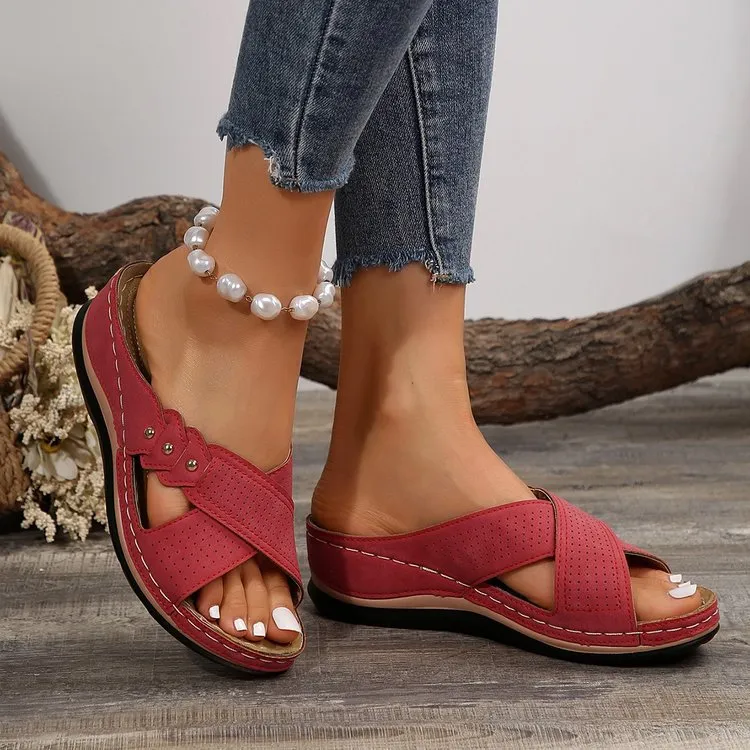
Digital Marketing Strategies for B2B Shoe Suppliers
1. Search Engine Optimization (SEO)
SEO is crucial for B2B shoe suppliers looking to increase their online visibility:
Keyword Optimization: Target industry-specific keywords like "wholesale shoe suppliers," "bulk shoes," and "footwear wholesale."
Content Marketing: Create valuable content that addresses the needs and pain points of your target audience.
Technical SEO: Ensure your website is mobile-friendly, loads quickly, and has a clear site structure.
Backlink Building: Earn high-quality backlinks from industry publications and relevant websites.
2. Content Marketing
Content marketing helps establish your brand as an industry authority:
Blog Posts: Create informative blog posts about shoe trends, industry news, and business advice for retailers.
Whitepapers and E-books: Offer in-depth resources on topics like inventory management, supplier selection, and market trends.
Case Studies: Share success stories of how your products have helped retailers grow their businesses.
Video Content: Create product demonstrations, behind-the-scenes videos, and educational content.
3. Social Media Marketing
Social media is a powerful tool for B2B shoe suppliers:
LinkedIn: Connect with retailers, e-commerce sellers, and industry professionals.
Instagram: Showcase your product offerings with high-quality images and videos.
Facebook: Create a business page to share company updates, promotions, and industry news.
Pinterest: Create boards showcasing different shoe styles, trends, and merchandising ideas.
For specialized shoe categories, platforms like FashionTIY offer wholesale high heels and wholesale men shoes, providing suppliers with a comprehensive product range to market to different customer segments.
4. Email Marketing
Email marketing remains one of the most effective B2B marketing channels:
Newsletters: Send regular newsletters with industry updates, new product announcements, and special offers.
Segmented Campaigns: Tailor your emails based on customer segments, such as retailers, e-commerce sellers, or boutique owners.
Automated Workflows: Set up automated emails for new leads, follow-ups, and re-engagement campaigns.
Personalization: Use customer data to personalize your emails and increase engagement.
Offline Marketing Strategies
1. Trade Shows and Exhibitions
Trade shows provide valuable opportunities to connect with potential customers:
Industry Events: Participate in footwear trade shows and exhibitions to showcase your products.
Networking: Use trade shows to build relationships with retailers, distributors, and other industry professionals.
Product Demonstrations: Create interactive displays to showcase your shoe products and their features.
Branding: Use your booth to reinforce your brand identity and create a memorable impression.
2. Direct Sales and Relationship Building
Personal relationships are crucial in B2B shoe wholesale:
Sales Representatives: Hire knowledgeable sales representatives who can effectively communicate your value proposition.
Personalized Outreach: Contact potential customers directly with personalized messages and offers.
Account Management: Provide dedicated account managers to support your existing customers.
Customer Loyalty Programs: Reward repeat customers with exclusive offers and benefits.
3. Print Marketing
Print marketing still has a place in B2B shoe wholesale:
Catalogs: Create high-quality product catalogs showcasing your shoe offerings.
Brochures: Design informative brochures highlighting your company's value proposition.
Trade Publications: Advertise in industry trade magazines and publications.
Direct Mail: Send targeted direct mail to potential customers with personalized offers.
Digital Advertising Strategies
1. Pay-Per-Click (PPC) Advertising
PPC advertising can drive targeted traffic to your website:
Google Ads: Create targeted campaigns for keywords related to wholesale shoes and footwear.
Social Media Ads: Run targeted ads on platforms like LinkedIn, Facebook, and Instagram.
Retargeting Campaigns: Target users who have visited your website but haven't made a purchase.
Display Ads: Place ads on industry websites and publications.
2. Influencer Marketing
Influencer marketing can help increase brand awareness and credibility:
Industry Influencers: Partner with footwear industry influencers and bloggers.
Retail Influencers: Collaborate with retail experts who can promote your products to their audience.
Micro-Influencers: Work with smaller influencers who have highly engaged audiences in the footwear space.
Content Collaboration: Create joint content with influencers to reach new audiences.
For niche shoe categories, FashionTIY offers wholesale platforms & wedges and wholesale shoe boxes, allowing suppliers to diversify their product offerings and target specific market segments.
Building a Strong Brand Identity
1. Brand Positioning
Clear brand positioning helps you stand out in the market:
Unique Value Proposition: Clearly articulate what sets your shoe products apart from competitors.
Brand Voice: Develop a consistent brand voice that resonates with your target audience.
Brand Story: Share your company's story and values to build emotional connections with customers.
Visual Identity: Create a cohesive visual identity across all marketing channels.
2. Customer Experience
Exceptional customer experience is key to building long-term relationships:
Responsive Communication: Provide prompt and helpful responses to customer inquiries.
Easy Ordering Process: Streamline your ordering process to make it as easy as possible for customers.
Transparency: Be transparent about pricing, shipping times, and product availability.
Post-Sale Support: Provide ongoing support to customers after they've made a purchase.
Measuring Marketing Effectiveness
1. Key Performance Indicators (KPIs)
Track these KPIs to measure the effectiveness of your marketing strategies:
Website Traffic: Monitor the number of visitors to your website and where they're coming from.
Lead Generation: Track the number of new leads generated through your marketing efforts.
Conversion Rate: Measure how many leads convert into customers.
Customer Acquisition Cost (CAC): Calculate how much it costs to acquire a new customer.
Return on Investment (ROI): Measure the return on your marketing investments.
2. Analytics Tools
Use these tools to track and analyze your marketing performance:
Google Analytics: Monitor website traffic and user behavior.
Social Media Analytics: Track engagement and performance on social media platforms.
Email Marketing Analytics: Measure open rates, click-through rates, and conversion rates for email campaigns.
CRM Software: Track customer interactions and sales opportunities.
Case Study: Successful B2B Marketing Strategy
Consider the example of a wholesale shoe supplier that implemented a comprehensive B2B marketing strategy:
By combining SEO, content marketing, social media, and trade show participation, they achieved:
A 35% increase in website traffic
A 25% increase in lead generation
A 20% increase in new customer acquisition
A 15% increase in repeat business
This success story demonstrates the impact of a well-executed B2B marketing strategy in the wholesale shoe industry.
Emerging Trends in B2B Shoe Marketing
1. Digital Transformation
The wholesale shoe industry is undergoing digital transformation:
E-Commerce Platforms: More suppliers are moving to online B2B platforms for easier ordering.
Virtual Showrooms: 3D and AR technology enabling virtual product presentations.
AI-Powered Tools: Artificial intelligence for personalized recommendations and customer service.
Mobile Optimization: Ensuring all marketing materials are mobile-friendly.
2. Sustainability and Ethical Practices
Sustainability is becoming increasingly important in B2B marketing:
Eco-Friendly Products: Highlighting sustainable and ethically produced shoes.
Transparency: Communicating your sustainability efforts to customers.
Certifications: Obtaining and promoting relevant sustainability certifications.
Green Marketing: Incorporating environmental messaging into your marketing materials.
3. Personalization
Personalized marketing is becoming more important in B2B:
Customized Content: Tailoring content to specific customer segments.
Personalized Offers: Creating customized offers based on customer history and preferences.
Account-Based Marketing: Targeting specific high-value accounts with personalized campaigns.
Predictive Analytics: Using data to predict customer needs and preferences.
Effective B2B marketing is essential for wholesale shoe suppliers looking to grow their business and stay competitive in the market. By implementing a comprehensive marketing strategy that combines digital and offline tactics, you can increase brand awareness, generate more leads, and build long-term relationships with customers.
Remember to:
Develop a clear brand identity and value proposition
Create valuable content that addresses customer needs
Leverage digital channels to reach your target audience
Build personal relationships through direct outreach and networking
Measure the effectiveness of your marketing efforts
Stay current with industry trends and adapt your strategy accordingly
With the right approach and access to quality wholesale sandals and wholesale boots from trusted platforms like FashionTIY, you can create a successful B2B marketing strategy that drives growth and profitability.
The future of B2B shoe marketing belongs to suppliers who can effectively leverage digital tools, build strong relationships, and adapt to changing market trends. By staying ahead of the curve and implementing the strategies outlined in this guide, you can position your wholesale shoe business for long-term success.


评论
发表评论